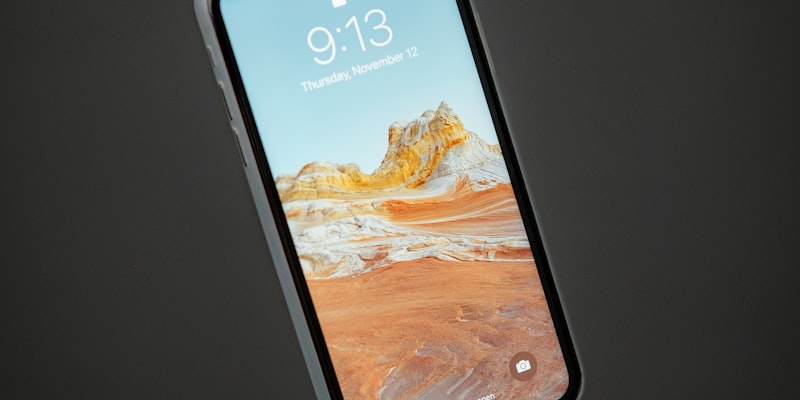
One of the most common concerns for anyone considering a switch from Android to iPhone is whether the apps they rely on daily will work as well -- or better -- on iOS. The conventional wisdom has shifted over the years. A decade ago, iOS had a clear advantage in app quality across the board. Then Android caught up, and for several years the platforms were essentially at parity. But in 2026, there are still meaningful differences, and for several major apps, the iPhone version is genuinely superior. Here are ten that stand out.
Instagram has historically performed better on iPhone, and the gap persists. The iOS version of Instagram uses the iPhone's native camera APIs more effectively, producing sharper images and more accurate colors when shooting directly within the app. On Android, Instagram has long been criticized for taking a screenshot of the viewfinder rather than capturing a proper photo, and while this has improved on flagship Android devices, the iOS implementation remains more consistent across the full range of iPhones. Stories and Reels also render more smoothly on iPhone, with fewer dropped frames during transitions and effects.
Snapchat
Snapchat's Android problems are well-documented and long-standing. For years, the Android version was essentially a wrapper around a viewfinder screenshot, producing noticeably worse image quality than the iOS version. Snapchat rebuilt its Android app from the ground up in 2024, and the gap has narrowed considerably. But the iOS version still benefits from tighter integration with Apple's camera hardware, particularly the LiDAR sensor on Pro models, which enables more accurate and responsive AR lenses. If you use Snapchat regularly, the iPhone experience remains noticeably better.
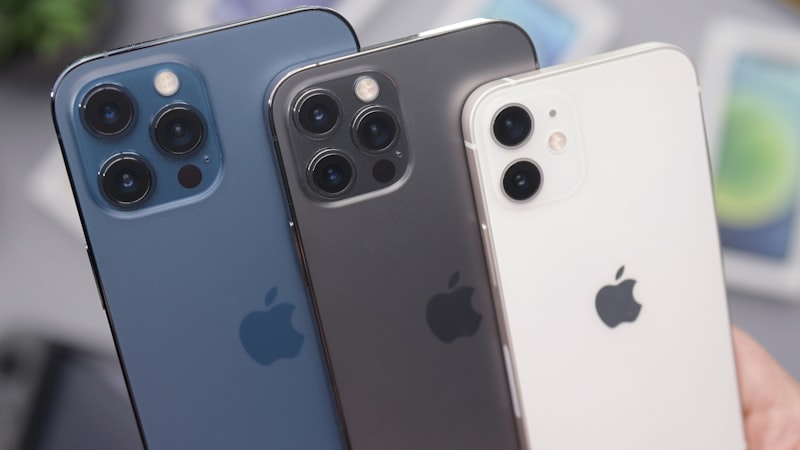
The ecosystem switch is bigger than any single feature
iMessage (Obviously, But Hear Us Out)
This is not a third-party app, but it deserves mention because it is the single biggest reason many people switch to iPhone and stay there. iMessage provides end-to-end encrypted messaging, high-quality photo and video sharing without compression, seamless group chats, and integration with the entire Apple ecosystem. If your social circle is predominantly on iPhone -- and in the US and UK, it likely is -- switching to iPhone means your messages stop being green bubbles. The social pressure is real, and iMessage delivers a genuinely better messaging experience than anything available cross-platform, including WhatsApp and Signal, simply because of its system-level integration.
Apollo for Reddit (and Other iOS-First Clients)
While Apollo was sadly discontinued in 2023 following Reddit's API pricing changes, it exemplified a broader pattern that continues: iOS tends to attract more polished third-party app development. In 2026, apps like Ivory for Mastodon, Halide for photography, and Carrot Weather offer significantly better experiences on iPhone than their Android equivalents or alternatives. The iOS development ecosystem, with its single hardware target and consistent design language, continues to attract developers who prioritize craft and polish.
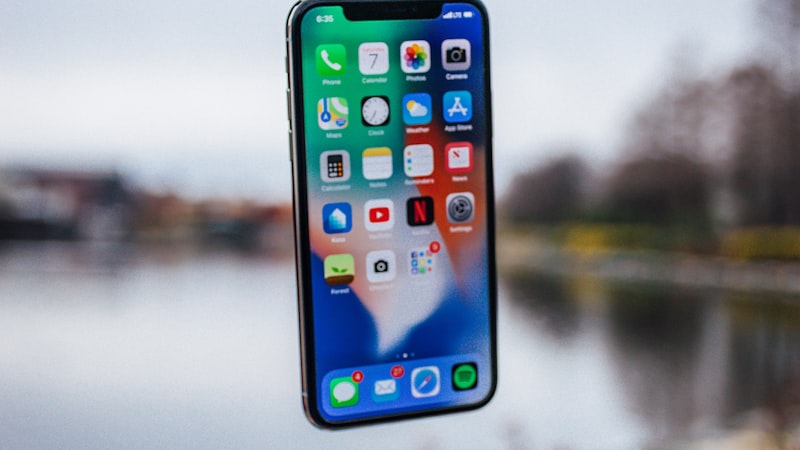
What matters most is what you gain, not what you leave behind
Banking and Finance Apps
This is a category where the difference is subtle but consistent. Banking apps on iPhone tend to support Face ID and biometric authentication more reliably, offer Apple Pay integration that works seamlessly at point of sale, and receive security updates faster. Apps from major banks like Chase, Barclays, and Monzo typically ship new features on iOS first, sometimes weeks or months before the Android version. For a category where reliability and security matter enormously, the iPhone's more controlled ecosystem provides a measurable advantage.
GarageBand and Music Creation
Apple's GarageBand is a genuinely capable music creation tool that has no real equivalent on Android. The app takes advantage of the iPhone's low-latency audio pipeline to offer real-time instrument playing, multi-track recording, and effects processing with minimal delay. Android's audio latency has improved dramatically in recent years, but iOS still holds a meaningful advantage for real-time audio applications. If you make music on your phone -- even casually -- the iPhone is the better platform.
Health and Fitness Apps
Apple Health provides a centralized, privacy-focused repository for health data that third-party apps can read from and write to with user permission. This creates an ecosystem where apps like Strava, MyFitnessPal, and Headspace can share data seamlessly without each app needing to build its own data silo. Google Health Connect on Android is catching up, but the iOS health data ecosystem is more mature and more widely supported by third-party developers. If you track your health across multiple apps, the iPhone experience is more cohesive.
Procreate and Creative Tools
Procreate is iPad-only, but its companion app Procreate Pocket runs on iPhone and offers a surprisingly capable illustration and painting experience on a phone-sized screen. There is no Android version. More broadly, professional creative tools like Affinity Photo, Ferrite Recording Studio, and LumaFusion either run exclusively on iOS or offer significantly more capable iOS versions. The creative professional market on mobile remains heavily tilted toward Apple's platforms.
Google's Own Apps
This one surprises people, but several of Google's apps are arguably as good or better on iPhone than on Android. Google Maps on iOS integrates cleanly with the system's location services and offers smooth performance. Google Photos on iPhone benefits from iOS's efficient background processing for photo uploads. Gmail on iOS is clean, fast, and well-integrated with the system notification framework. Google has strong incentives to make its iOS apps excellent -- they are the primary way Google services reach the most valuable segment of the smartphone market.
WhatsApp on iPhone handles media sharing more gracefully than on Android, with better image compression, smoother video playback in chats, and more reliable backup and restore through iCloud integration. The Android version's reliance on Google Drive for backups has historically been less reliable, and the migration from one Android phone to another can sometimes result in lost message history. WhatsApp on iPhone also supports system-level notification grouping and focus modes more effectively, making it easier to manage high-volume group chats without being overwhelmed.
The Pattern
The ecosystem switch is bigger than any single feature
The common thread across these apps is not that Android versions are bad. Most of them are perfectly functional on Android. The difference is in the details: smoother animations, better camera integration, more reliable biometric authentication, faster feature rollouts, and tighter integration with the operating system. These are the kinds of differences you notice after living with a phone for weeks or months rather than in a five-minute side-by-side comparison. For anyone switching from Android, the app experience is unlikely to be worse and, in these ten cases, will be meaningfully better.